Work & Craft
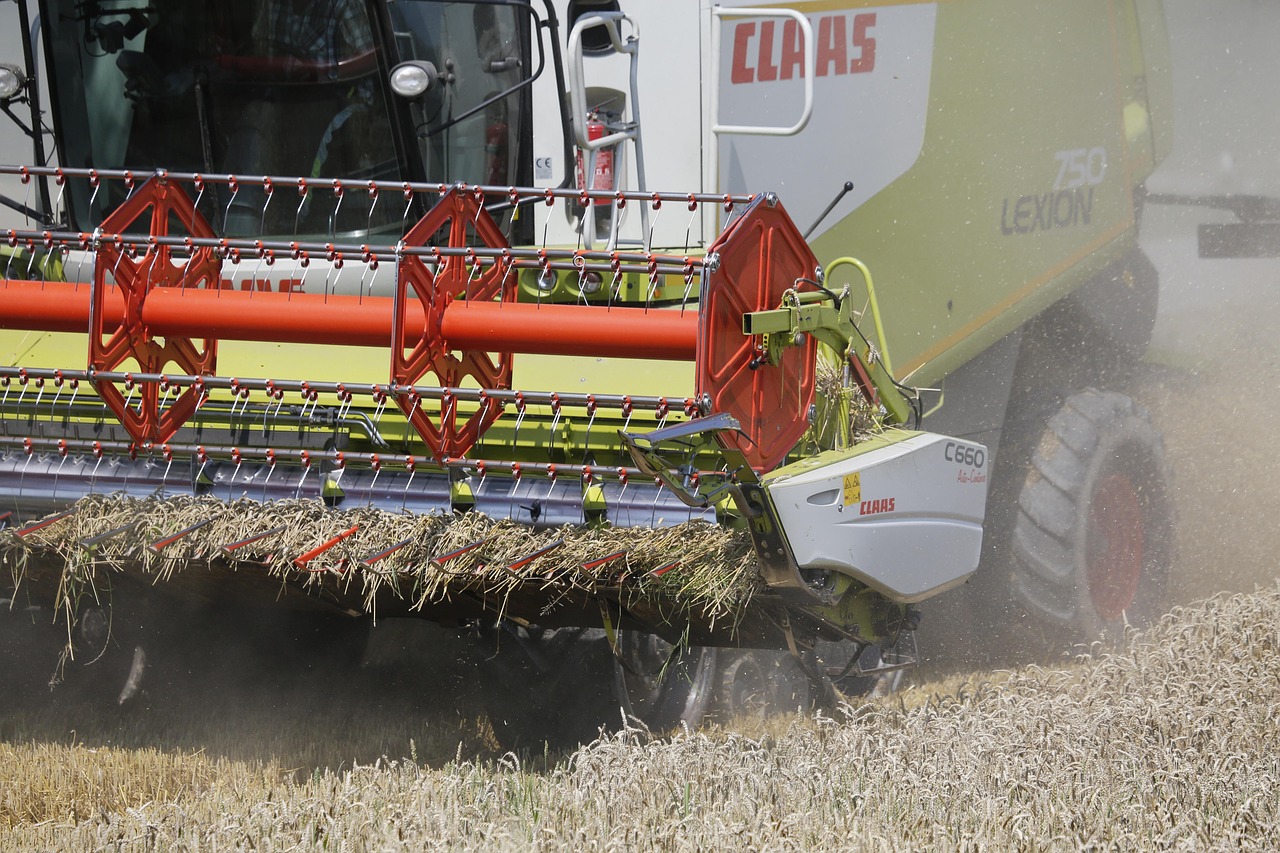
Anyone who has read rural memoirs from the nineteenth or early twentieth century will notice how often threshing day returns as a set piece. It was, in many farming communities, the biggest event of the year after the harvest itself—the day when the sheaves that had been stacked in the barn or in a rick outside were finally beaten to release the grain. For weeks beforehand, the sheaves had stood in shocks in the field, drying in the sun and wind. Now they were ready, and the whole neighborhood knew it.
Threshing was rarely done by a single family. The work was too heavy and the equipment too expensive. In Britain, a traveling threshing machine—often steam-powered by the late nineteenth century—would move from farm to farm with its crew, and local men would be hired to help feed the sheaves into the drum. In North America, neighbors would gather for a 'threshing bee,' trading labor in a system of reciprocal obligation that bound rural communities together. If your neighbor helped you thresh, you owed him a day when his turn came.
The threshing machine itself was a fearsome thing. Sheaves were pitched onto a feeding table, cut open by a man with a sharp knife, and pushed into the drum, where revolving beaters separated the grain from the straw. The grain fell through screens into sacks, while the straw was carried up a long spout and blown into a stack. Dust filled the air. The noise was constant—the engine, the drum, the shouting of men over the racket. By the end of the day, everyone was coated in chaff and sweat.
Feeding the drum was dangerous work. Men lost fingers and hands to the rollers. The old-timers would warn newcomers to keep their sleeves buttoned and their minds on the job. A moment's inattention could maim. Yet the work went on, because the grain had to be got in before the weather turned.
The women of the household had their own role, and it was no small one. Threshing crews had to be fed—and fed well. A farm that served poor food would find it hard to hire help the following year. Plates of cold meat, potatoes, pickles, and pie would appear at midday, followed by a second meal in the late afternoon. Coffee or tea was kept coming all day. The kitchen was as busy as the barn.
Looking back, it is easy to romanticize threshing day, and the people who lived it would have found that amusing. It was exhausting, dirty, and dangerous. But it was also one of the few times in the farming year when the whole community worked in one place, and the social fabric of rural life was woven in those hours. Marriages were made at threshing bees. Feuds were settled. News traveled faster on the threshing floor than it did on the road.
When the combine harvester arrived in the mid-twentieth century, it did the work of a threshing crew in a single pass. The grain came off the field already clean, and the straw was left in the field or baled. It was a genuine revolution, and few farmers mourned the old ways. But something went with the threshing machine: the gathering, the shared labor, the long tables of food. Rural communities that had once been bound by work became, over a generation, bound mostly by geography. The barns fell quiet. The ricks disappeared. And the rhythm of the harvest, once communal, became a solitary ride in an air-conditioned cab.
There is no going back, and no one seriously proposes it. But it is worth remembering what those days contained—not as nostalgia, but as a record of how food was once produced, and at what human cost.
