Home & Hearth
Dig a hole in the ground, line it with stone, cover it with boards and earth, and you have a refrigerator that never loses power. This was the logic of the root cellar, a technology so simple and so effective that it sustained farm families for centuries. The cellar was not just a storage space; it was a carefully managed environment, and the skills required to use it well were passed down from one generation to the next.
The ideal root cellar maintained a temperature just above freezing and a humidity level that kept vegetables from drying out. This was achieved through design and attention. A well-built cellar had ventilation to prevent mold, drainage to prevent flooding, and insulation to keep the frost from penetrating. The farmer who understood his cellar could store potatoes, carrots, turnips, beets, and cabbage well into the spring, providing fresh food when the garden was buried under snow.
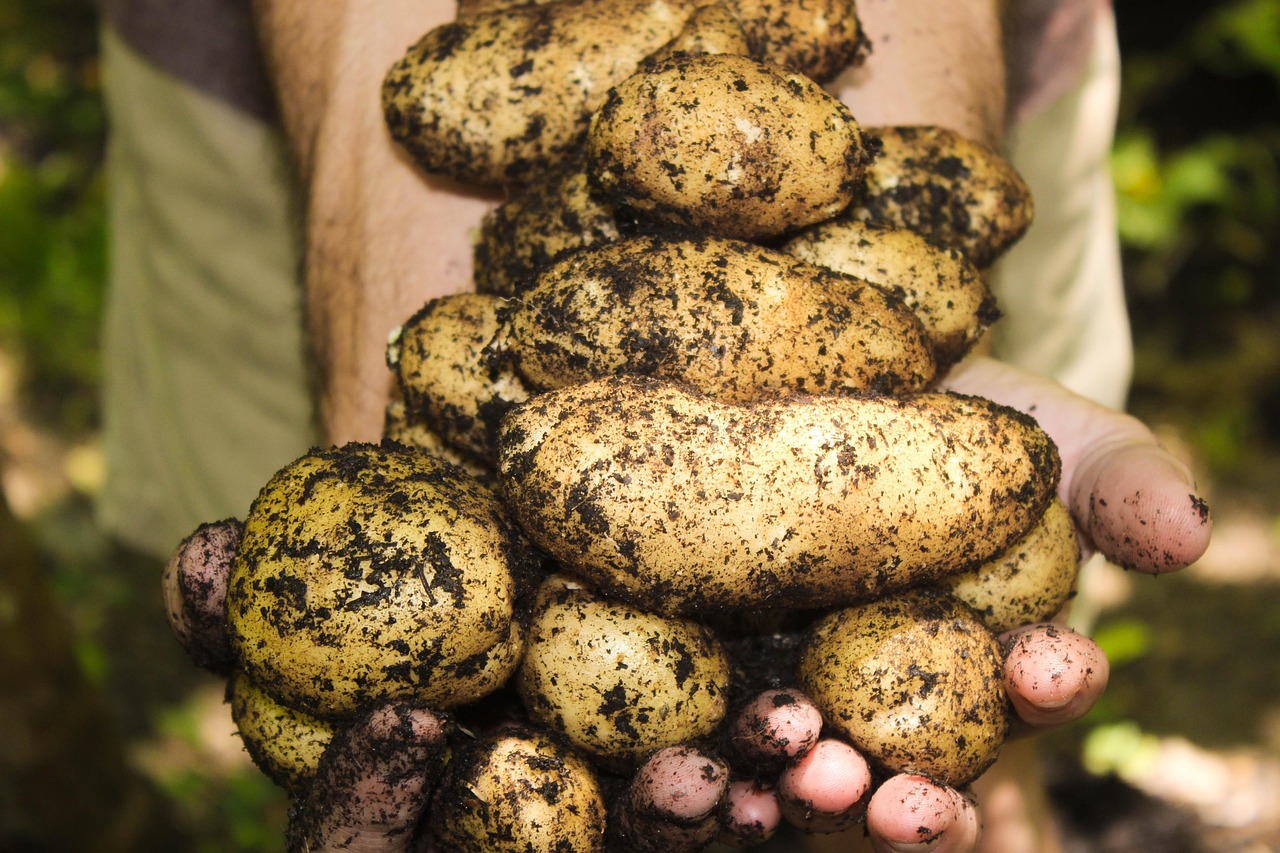
Storing vegetables successfully began long before the first frost. Root crops had to be harvested at the right time, when they were mature but not overgrown. They had to be handled carefully, because bruises and cuts would lead to rot. They had to be cured, a process that allowed the skins to thicken and minor wounds to heal. And they had to be packed in the right medium: sand, sawdust, straw, or just the earth itself.
Apples were stored separately because they gave off ethylene gas, which caused other produce to sprout and spoil. Cabbage was hung by the roots or buried in trenches. Onions and garlic were braided and hung from the ceiling. Each crop had its own requirements, and the farmer who ignored them would find his stores rotting by January. The root cellar was a classroom in the importance of attention to detail.
The cellar was also a place of work in the winter months. Someone had to go down regularly to check for spoilage, to remove any vegetables that had gone bad, and to bring up what was needed for the day's meals. This was often a child's job, and it was not always a pleasant one. The cellar was dark and cold and smelled of earth and damp. But it was also a place of abundance, a reminder that the summer's labor had not been in vain.
The root cellar declined as refrigeration became common and as food preservation moved to factories and supermarkets. Why spend the autumn digging and packing when you could buy canned vegetables at the store? The economics made sense, and the convenience was undeniable. But something was lost in the transition: the knowledge of how to store food without electricity, and the sense of security that came from having a full cellar.
In recent years, there has been a revival of interest in root cellars and other traditional food preservation methods. Some of this is driven by concerns about food security and sustainability. Some of it is driven by a desire to reconnect with the skills of previous generations. Whatever the motivation, the root cellar is finding new practitioners, and the old knowledge is being passed on.
The root cellar is not a solution to all the problems of modern food systems. But it is a reminder that some solutions are simpler than we think. A hole in the ground, properly made and properly used, can keep a family fed through the winter. That is not nostalgia; it is physics and biology, working together in the service of human need. The farmers who built the first cellars did not have the language of sustainability, but they understood the principle: waste not, want not, and trust the earth to keep what you have grown.
