Rural Life
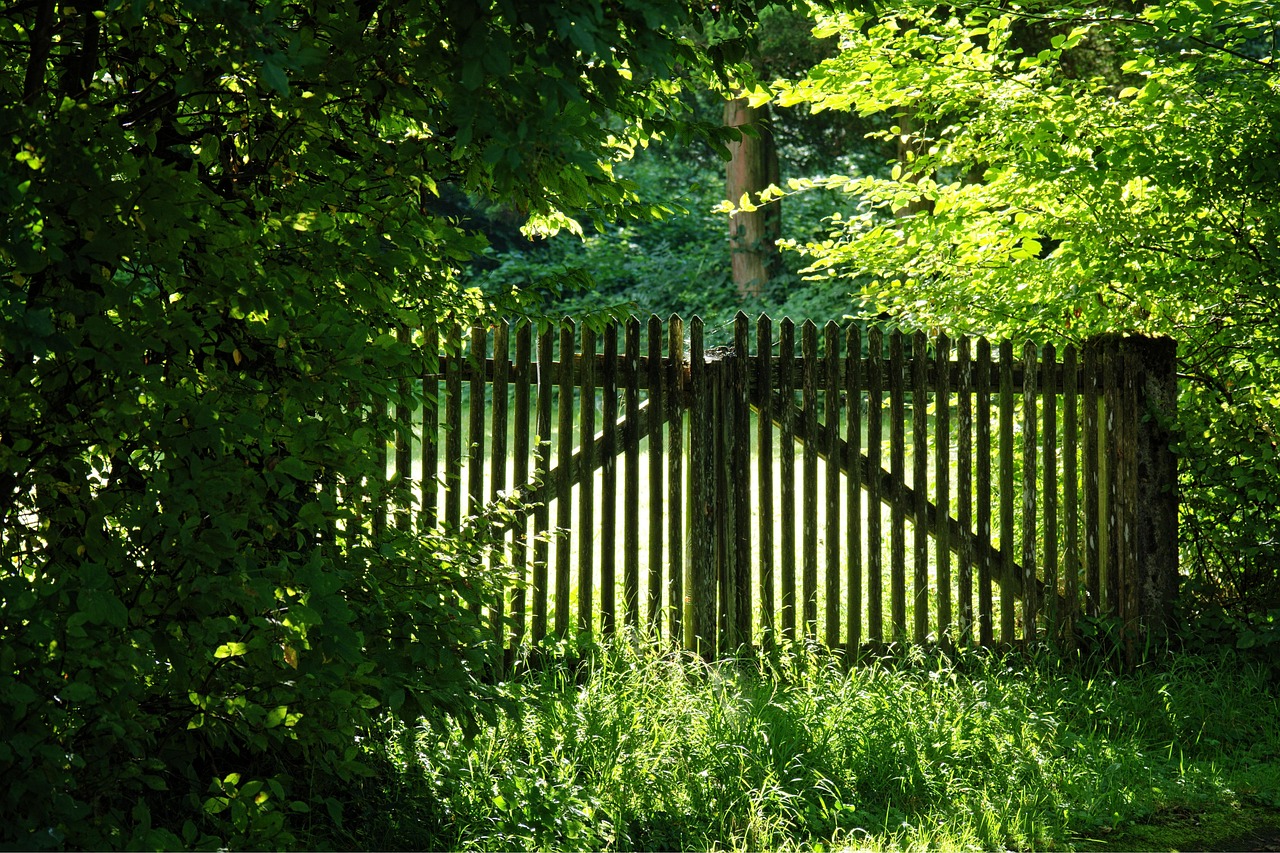
There is a particular sound to a good fence line: the creak of staples in weathered posts, the low hum of wire pulled taut, the rhythm of a hammer striking in the cool of early morning. Fence building was one of the first tasks a young farmer learned and one of the last he ever stopped doing. A fence was never finished, only maintained, and the work of keeping it standing was as constant as the seasons themselves.
The materials varied by region and era. In the stone country, farmers built walls that would outlast them, fitting rocks together without mortar. In the timbered areas, split rails and stump posts marked the boundaries. Later came woven wire and barbed wire, which changed the economics of fencing entirely. But whatever the material, the purpose was the same: to define what belonged to whom, and to make that definition visible to anyone who passed by.
Fence law in rural areas was a patchwork of statutes and local custom. In some places, livestock owners were responsible for keeping their animals contained. In others, farmers had to fence their crops against free-ranging stock. These rules shaped the landscape in ways that are still visible today. The open range persisted in parts of the West long after it had disappeared elsewhere, and the fences that eventually crossed those grasslands told a story of changing settlement and changing expectations.
But the law was only part of it. Fence lines were also social contracts. A farmer who let his fence fall into disrepair was not just risking his own animals; he was imposing on his neighbors. Livestock that wandered through a broken fence became someone else's problem, and the resulting disputes could sour relationships for years. Keeping a good fence was a form of respect, a way of saying that you took your obligations seriously.
The annual fence-checking ritual was often a family affair. Children walked the line with their parents, learning to spot loose staples and broken wires, learning where the ground was soft and posts needed resetting. It was tedious work, but it was also a chance to walk the land, to notice what was happening at the edges of the farm. A fence line is a kind of observatory, and those who walked it regularly knew their land in a way that no map could capture.
Modern fencing has become more efficient. Electric fences, high-tensile wire, and rotational grazing systems have transformed how livestock are managed. The old split-rail fence is now more likely to be decorative than functional, a nod to heritage rather than a working tool. This is not necessarily a loss; efficiency has its own virtues, and farmers today face pressures that their ancestors could not have imagined.
Yet something is lost when fencing becomes purely technical. The old fences were built to last, and they were built with care because the builder knew he would have to look at them every day. A fence was a statement about how a farmer saw his place in the world, and about how he wanted to be seen by his neighbors. That kind of statement is harder to make with a roll of polywire and a solar charger.
Perhaps the lesson of the fence line is that boundaries are not just about separation. They are about relationship. A good fence says: this is mine, and I will take care of it. It also says: this is yours, and I will respect it. In a world where boundaries are increasingly abstract, there is something to be said for a line of posts and wire that makes those promises visible.
